One of Britain's Finest Jurassic Fossil Collections Sold to Abu Dhabi Natural History Museum
A rare and historically significant fossil collection from the UK's Jurassic Coast, comprising 318 specimens including new species, has been sold to the Natural History Museum in Abu Dhabi after British institutions failed to secure funding, sparking national debate over heritage preservation.
1.A National Treasure Leaves Britain
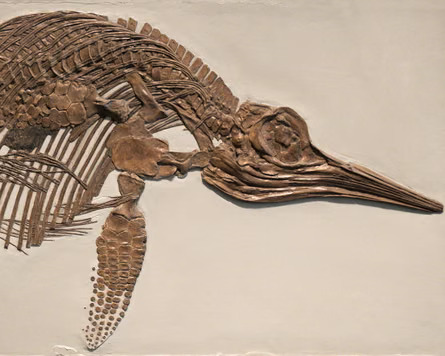
A rare and historically significant fossil collection, unearthed from the UK's famous Jurassic Coast, has reportedly been sold to the Natural History Museum in Abu Dhabi. British experts have described the sale as a major loss to the nation's scientific and cultural heritage. The collection, painstakingly assembled over decades by private fossil hunter Chris Moore, comprises around 318 rare specimens — including ichthyosaurs, fish, and shelled creatures — among them several species entirely new to science.
2.UK Museums Could Not Afford the Collection
The collection was first offered to the Natural History Museum in London and the National Museum of Wales, but both institutions were unable to afford the substantial asking price due to insufficient funding. Reports indicate the London museum had no remaining budget for such an acquisition. This situation has raised serious and urgent concerns within British society about chronic shortfalls in government funding for preserving the nation's natural heritage.
3.No Laws Were Broken: Six-Month Offer Period
Under UK law, not all fossils discovered automatically become government property, unlike the rules in many other countries. In line with fossil-collecting ethics and West Dorset regulations, Chris Moore offered the collection to UK museums for a mandatory six-month period before selling it abroad — meaning no laws were broken in the transaction. However, the collection has since departed Britain and is now on public display in the prestigious dinosaur gallery of Abu Dhabi's Natural History Museum.
4.A Silver Lining: Accessible to International Researchers
While the loss to Britain is widely considered significant, some scientists have noted a meaningful silver lining: rather than disappearing into a private collector's holdings — where specimens would be inaccessible to researchers — the valuable specimens have gone to a public museum where international researchers can continue to study them. Museum curators have pointed out that as fossil collectors age, finding a suitable institutional home for a lifetime's worth of specimens will remain a recurring and growing challenge.
5.Calls for Legal Reform to Protect National Heritage
Scientists, archaeologists, and heritage advocates are urging the UK government to create a dedicated legal mechanism to purchase such valuable national heritage pieces at fair market prices, in order to prevent similar losses in the future. The Chris Moore collection case has become a landmark example in the ongoing debate about how Britain protects and values its natural history — and whether the current funding and legal framework is adequate for preserving irreplaceable scientific assets.
6.The Broader Crisis in Museum Funding
The sale highlights a broader and deepening crisis in UK museum funding. Natural history institutions across Britain are struggling with aging collections, limited acquisition budgets, and increasing international competition for rare specimens. The Abu Dhabi deal has reignited a national conversation about whether the UK government is doing enough to support public museums in fulfilling their mission to preserve, study, and display the nation's extraordinary geological and biological heritage for future generations.
Editorial Standards & Fact-Checking Transparency
This report adheres to Daily Science News' rigorous academic guidelines. All claims are verified against primary scientific literature from institutions including NASA, ESA, CERN, and peer-reviewed journals. Supervised by Dulaksha Sandeepa. Questions or corrections? Contact contact@sciencenewshub.click.