Ultra-Processed Foods vs Metabolic Health: Insights from Recent Food Science Studies
A rigorous food science and nutritional biochemistry review analyzing how ultra-processed foods alter the food matrix, disrupt gut mucosal integrity, drive insulin resistance, and impair metabolic homeostasis.
1.Defining Ultra-Processed Foods: The NOVA Scientific Framework
Over the past decade, nutritional epidemiology and food science have shifted focus from single-nutrient reductionism (evaluating only total calories, fat, or sugar) toward the broader industrial degree of food processing. The globally recognized NOVA classification system, developed by researchers at the University of São Paulo, categorizes foods into four distinct tiers based on processing extent. Group 4 represents 'Ultra-Processed Foods' (UPFs) — industrial formulations containing little to no whole food, manufactured primarily from extracted substances (refined oils, isolated proteins, modified starches, high-fructose corn syrup) and synthetic additives such as artificial flavorings, colorants, and emulsifiers.
2.The Destruction of the Food Matrix and Altered Digestive Kinetics
In whole foods, macronutrients are encapsulated within a complex cellular structure known as the food matrix. This biological matrix slows enzymatic digestion, modulates postprandial glucose absorption, and ensures that fermentable substrates reach the distal colon to nourish gut microbiota. Industrial extrusion, high-pressure homogenization, and intense thermal processing break down this natural physical matrix. The resulting UPF formulations are rapidly digested in the upper gastrointestinal tract, causing precipitous glycemic spikes, exaggerated insulin surges, and diminished satiety signaling.
3.Industrial Emulsifiers and the Gut Mucosal Barrier
A major breakthrough in food science involves the biological impact of synthetic emulsifiers (such as carboxymethylcellulose, polysorbate 80, and carrageenan) widely used in processed foods to improve texture and shelf stability. Peer-reviewed studies in gastrointestinal physiology reveal that these detergent-like compounds can erode the protective mucin layer that separates the intestinal epithelium from luminal bacteria. This mucosal thinning permits bacterial translocation, triggering low-grade chronic systemic inflammation ('metabolic endotoxemia') and promoting insulin resistance.
4.Hyper-Palatability and Neurobiological Satiety Dysregulation
Ultra-processed foods are engineered to achieve an unnatural 'bliss point' — an optimized ratio of refined carbohydrates, saturated fats, and sodium that rarely occurs in nature. In randomized, inpatient metabolic ward trials conducted by the National Institute of Diabetes and Digestive and Kidney Diseases (NIDDK), human participants consuming an ultra-processed diet voluntarily consumed an additional 500 calories per day compared to an unprocessed diet matched for calories, sugar, fat, fiber, and protein. Neuroimaging studies confirm that hyper-palatable UPFs stimulate striatal dopamine release, overriding homeostatic hormonal cues like leptin and peptide YY (PYY).
5.Metabolic Sequelae: Insulin Resistance, MASLD, and Cardiovascular Risk
Extensive prospective cohort studies involving hundreds of thousands of participants worldwide have linked high dietary UPF consumption with increased risk of metabolic syndrome, type 2 diabetes, hypertension, and Metabolic Dysfunction-Associated Steatotic Liver Disease (MASLD, formerly NAFLD). The rapid absorption of refined fructose directly stresses hepatic de novo lipogenesis, promoting visceral adiposity and intracellular lipid accumulation in liver and muscle tissue — the hallmark precursors of systemic insulin resistance.
6.Whole Foods vs Formulated Alternatives: Evidence from Clinical Trials
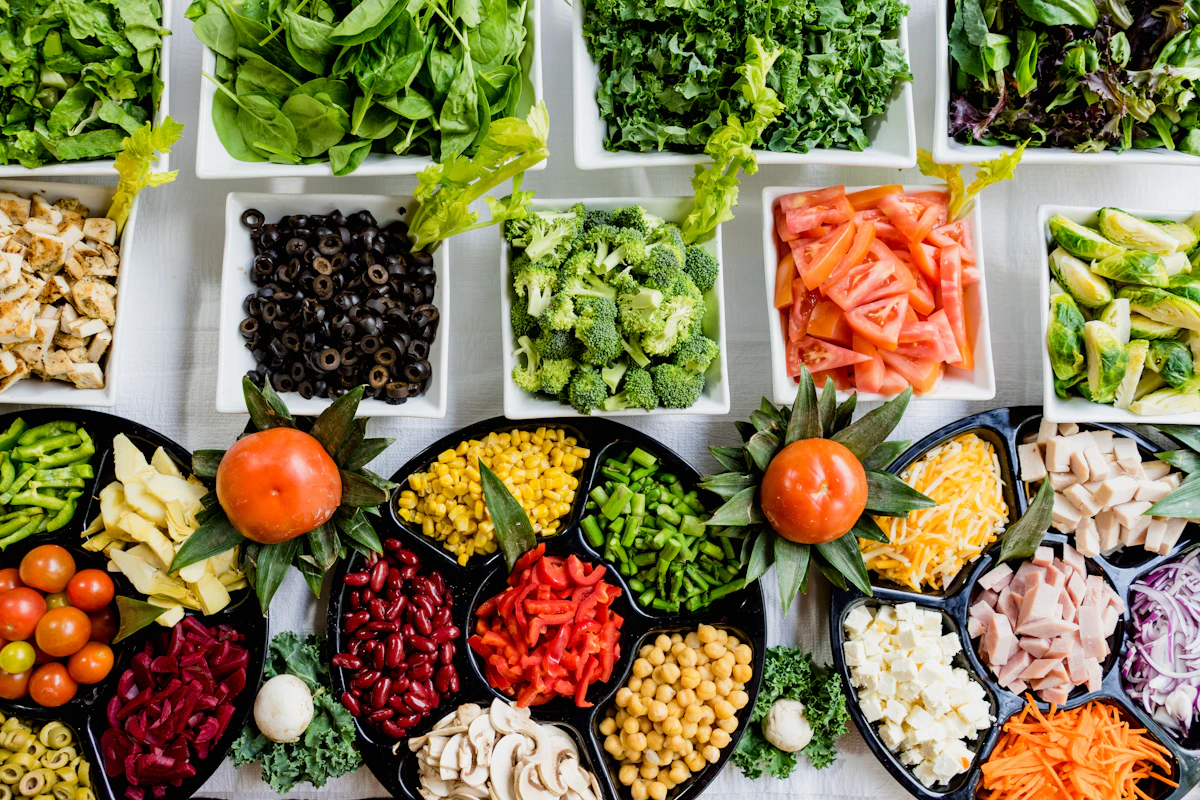
Evidence from nutritional biochemistry consistently demonstrates that whole, minimally processed foods (such as whole grains, legumes, wild-caught fish, nuts, seeds, and colorful vegetables) provide complex synergistic compounds — including polyphenols, sterols, fermentable fibers, and intact micronutrient complexes — that cannot be replicated by simply fortifying stripped ultra-processed matrices. Clinical trials substituting ultra-processed snack items with whole food equivalents demonstrate marked reductions in fasting insulin, high-sensitivity C-reactive protein (hs-CRP), and triglyceride-to-HDL ratios.
7.Public Health Perspectives and Nutritional Science Recommendations
Leading global health organizations, including the World Health Organization (WHO) and regional dietary guidelines committees across Europe and the Americas, are increasingly revising nutritional advisories to recommend limiting ultra-processed food intake. Food science researchers emphasize that consumer education, transparent front-of-package nutritional labeling, and culinary literacy focusing on minimally processed home preparation constitute essential public health strategies for curbing the global burden of metabolic and chronic disease.
Editorial Standards & Fact-Checking Transparency
This report adheres to Daily Science News' rigorous academic guidelines. All claims are verified against primary scientific literature from institutions including NASA, ESA, CERN, and peer-reviewed journals. Supervised by Dulaksha Sandeepa. Questions or corrections? Contact contact@sciencenewshub.click.