Scientists Make New Discovery About the Mysterious Sound Patterns of Humpback Whales
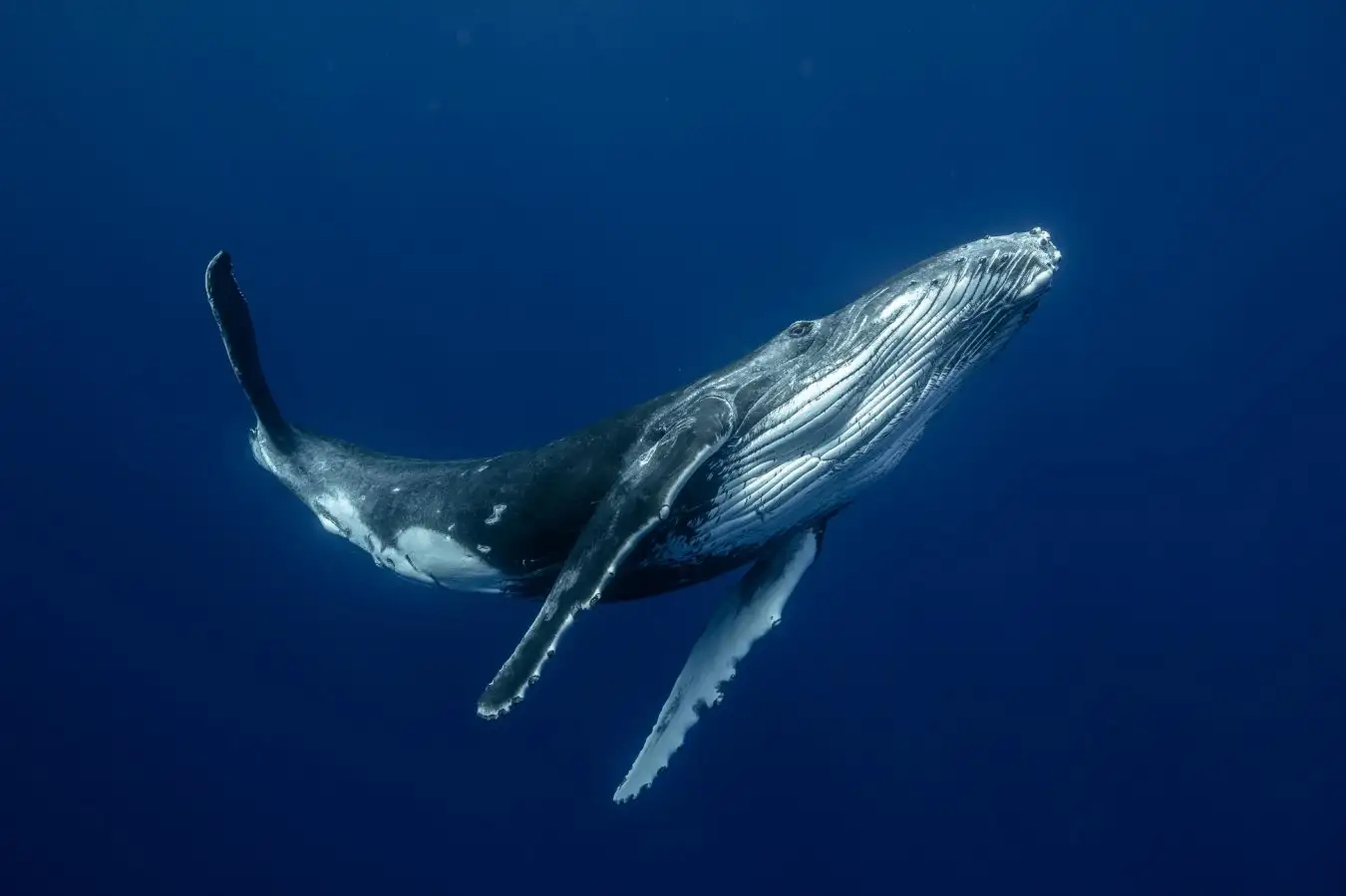
Scientists have for the first time identified that the mysterious deep sounds heard from coastal areas are being produced by humpback whales, revealing that whale communication abilities are far broader than previously thought.
1.Breakthrough Discovery of Mysterious Whale Sounds
Scientists have for the first time identified that the mysterious deep sounds heard from coastal areas during nighttime hours for centuries are being produced by humpback whales. This new discovery confirms that the communication abilities and sound patterns used by whales are far broader than previously thought. A research team including Fred Sharp of the Alaska Whale Foundation made this groundbreaking finding using specially designed microphones.
2.Research Methodology and Data Collection
A research team including Fred Sharp of the Alaska Whale Foundation recorded these 'mysterious' ocean sounds using microphones installed on land. They also received support from Alaska coastal communities in selecting the most suitable recording locations. This collaborative approach ensured that the researchers had access to the best possible recording sites in areas known for significant whale activity.
3.New Sound Patterns Identified
In addition to the common sounds previously identified as being produced by whales, the researchers succeeded in recording deep, low-frequency sounds resembling distant thunder, as well as several other newly identified sound patterns. These discoveries expand our understanding of the acoustic repertoire of humpback whales and suggest that there is much more to learn about their communication systems.
4.The Range and Power of Whale Sounds
During nighttime, these newly discovered sounds can be heard clearly through the air at distances of up to 10 kilometers. This remarkable range demonstrates the power and sophistication of whale vocalizations. The fact that these sounds can travel such great distances suggests they play an important role in whale communication, possibly for mating, navigation, or other behavioral purposes.
5.Scientific Presentation and Hypotheses
Fred Sharp presented these research findings at the Astrobiology Science Conference held in Madison, Wisconsin on May 18. He hypothesizes that these sounds—which seem mysterious to the human ear—are produced by a specialized structure in the whales' respiratory tract that prevents water from entering when they dive underwater. This anatomical adaptation suggests millions of years of evolutionary refinement for deep-water communication.
6.Implications for Maritime Safety
Scientists believe that understanding these unique sound patterns could help prevent whales from being struck by passing ships at sea. Ship strikes are a leading cause of death for large whales, and improved understanding of whale communication and behavior could lead to better collision avoidance strategies. This knowledge could be integrated into shipping route planning and vessel speed regulations in sensitive marine areas.
7.Connection to Astrobiology and Space Research
It is also hoped that studies on whale sound patterns could prove valuable for future research into the search for intelligent life in outer space. The unique and complex communication methods of whales provide a model for understanding how intelligent species might communicate across vast distances. By studying whale vocalizations, scientists gain insights into the diverse ways that complex organisms can convey information, which could inform our expectations about extraterrestrial communication.
8.Expanding Human Perception and Understanding
This discovery represents a significant expansion of human knowledge about the natural world. For centuries, coastal populations reported hearing mysterious sounds that scientists could not explain. By finally identifying the source and understanding the mechanisms behind these sounds, researchers have demonstrated the importance of listening to long-standing observations from local communities. This discovery opens new avenues for marine biology research and reminds us that the natural world still holds many secrets waiting to be uncovered.
Editorial Standards & Fact-Checking Transparency
This report adheres to Daily Science News' rigorous academic guidelines. All claims are verified against primary scientific literature from institutions including NASA, ESA, CERN, and peer-reviewed journals. Supervised by Dulaksha Sandeepa. Questions or corrections? Contact contact@sciencenewshub.click.