The Future of Jodrell Bank Observatory at Risk
The iconic Jodrell Bank Observatory in the UK faces closure by April 2028 due to funding cuts, threatening 28 jobs and affecting 3,000 scientists. The UNESCO World Heritage site's £2.8 million annual budget is being redirected by UKRI.
1.Closure Threat After 70 Years
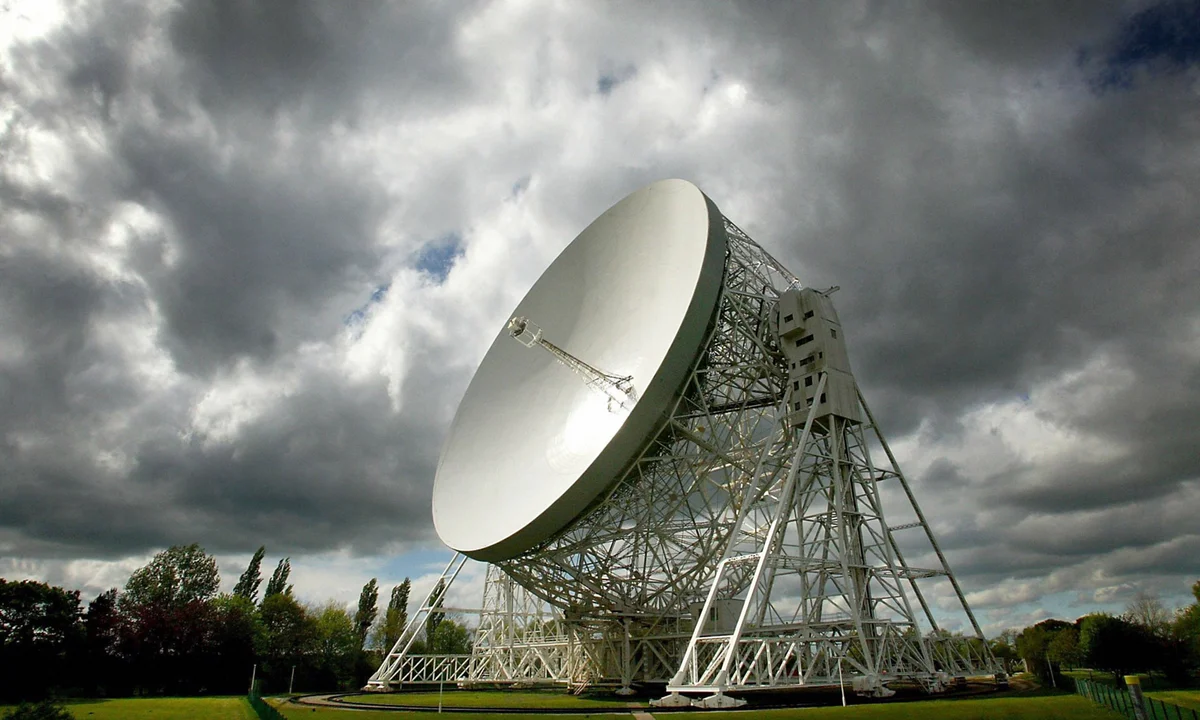
Reports indicate that the Jodrell Bank Observatory in the United Kingdom faces the risk of closure due to funding cuts. This observatory and its telescope network, which has been in operation for nearly 70 years, has rendered enormous service in studying distant galaxies and training future astronomers. As BBC News reports, the scientific community has described this decision as heartbreaking and scientifically wrong.
2.Funding Crisis Timeline
If an alternative funding source cannot be found, all scientific observation activities here are expected to cease by April 1, 2028. UK Research and Innovation (UKRI) has stated that this decision was made because they have decided to invest in projects that create the greatest long-term impact. The organization further states that the observatory's annual budget of £2.8 million had to be cut due to rising costs of physics research.
3.Historical and Scientific Significance
The Jodrell Bank site was established in 1945 and has rendered immense service in pioneering the introduction of radio astronomy and in tracking Soviet missiles during the Cold War. Recognizing its historical and scientific significance, it was designated a UNESCO World Heritage Site in 2019.
4.Scientific Community Reaction
Professor Brian Cox of the University of Manchester, commenting on the funding cuts, has said this is a sudden and careless decision. He further states that this has already caused enormous damage to British science. As a result of this decision, 28 jobs at the Jodrell Bank site are at risk, and approximately 3,000 scientists conducting research there will be affected.
5.Broader Cuts to UK Science
Additionally, the government has decided to withdraw from research operations at the James Clerk Maxwell Telescope in Hawaii and to halt several planned upgrades at the Large Hadron Collider (LHC). Scotland's Astronomer Royal, Professor Catherine Heymans, says these funding cuts represent a self-inflicted wound at the national level.
6.Government Response and Future Outlook
However, Secretary of State for Business Jonathan Reynolds has stated that they are committed to maintaining the United Kingdom's research capabilities and investing in the scientific infrastructure for future generations. The Lovell Telescope remains the world's third largest steerable radio telescope and serves as the primary instrument of the e-MERLIN telescope network. Scientists expressing concern point out that this telescope network conducts important research into planet formation and dark energy, and disruption to its operations would also be a matter of international concern.
Editorial Standards & Fact-Checking Transparency
This report adheres to Daily Science News' rigorous academic guidelines. All claims are verified against primary scientific literature from institutions including NASA, ESA, CERN, and peer-reviewed journals. Supervised by Dulaksha Sandeepa. Questions or corrections? Contact contact@sciencenewshub.click.