Scarlet Fever Existed in America Even Before Columbus's Arrival
A groundbreaking genetic study reveals that Scarlet Fever was already widespread in the Americas centuries before Christopher Columbus arrived, challenging historical assumptions about the origins of epidemic diseases.
1.Challenging Historical Assumptions
Historians previously believed that diseases like Scarlet Fever were brought to the American continent exclusively by European colonizers. However, a new genetic study conducted by scientists from Italy and the United Kingdom has revealed that this bacterial infection was already widespread in the Americas centuries before Christopher Columbus arrived. This discovery fundamentally reshapes our understanding of pre-Columbian disease ecology.
2.Ancient Mummified Evidence
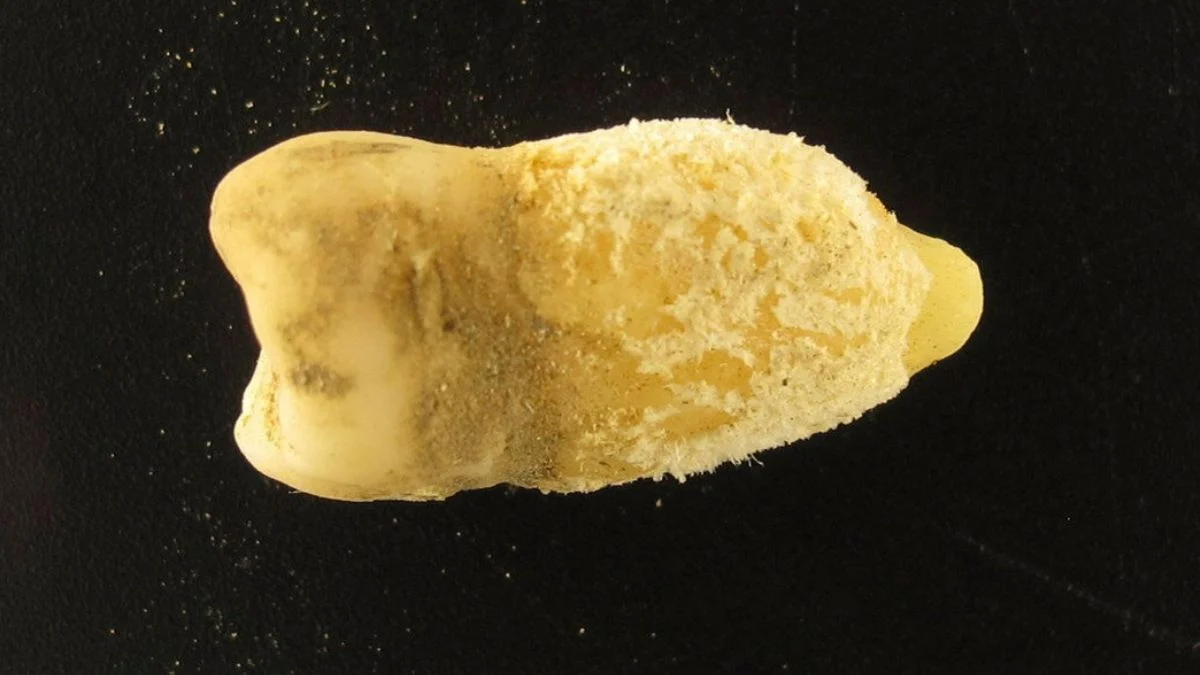
The scientists made this discovery using a tooth found in a mummified skull of a male individual who lived in a highland plateau in present-day Bolivia. This person lived between 1283 and 1383 AD — long before Columbus landed in America in 1492. By analyzing fragments of Streptococcus pyogenes DNA found in the tooth, researchers were able to identify a series of pathogenic genes responsible for Scarlet Fever.
3.Ancient Migration Pathways
The researchers believe this bacterium was likely brought to the Americas by the earliest human migrants who crossed the Bering Strait approximately 22,000 years ago. This suggests that disease transmission followed human migration patterns across the globe. 'There is evidence that this bacterium spread around the world alongside human migrations,' the scientists stated, also believing that Siberia served as a key gateway for this spread.
4.Revising 'Frontier Diseases' Theory
Diseases like Scarlet Fever, measles, and smallpox were historically referred to as 'Frontier diseases' — pathogens brought by Europeans during colonization. However, this new discovery suggests that view may be oversimplified. The findings indicate that the transmission of diseases between continents began millennia before European contact, with human migration serving as the primary vector for pathogenic spread.
5.Pre-Columbian Disease Diversity
Previous research has also indicated that diseases such as syphilis and leprosy existed in the Americas before European contact. These discoveries collectively suggest that ancient American populations had a more complex disease environment than previously understood. Rather than a disease-free paradise, pre-Columbian Americas appears to have hosted significant pathogenic diversity.
6.Exceptional Technical Challenges
Since the ancient DNA samples used in this research were extremely small and degraded, microbiologist Mohamed Sarhan of the Eurac Research Institute described it as a challenging task — 'like solving a puzzle without knowing what the picture on the box looks like.' Researchers had to employ specialized techniques to recover and analyze such minimal genetic material from millennium-old remains.
7.Verification and Validation Methods
The team managed to verify, through new chemical analysis methods, that longer DNA sequences previously dismissed by scientists genuinely belonged to that era. This represents a breakthrough in ancient DNA authentication, allowing researchers to confirm the chronological authenticity of their genetic findings and rule out modern contamination.
8.Antibiotic Resistance Concerns
While Scarlet Fever is no longer as deadly as it once was thanks to modern antibiotics, current bacterial strains are increasingly developing antibiotic resistance. The study of ancient Streptococcus pyogenes strains provides insight into how the bacterium has evolved over centuries, which is crucial for understanding its potential resistance mechanisms and future therapeutic challenges.
9.Implications for Future Medical Research
Therefore, studying the evolution of this bacterium will undoubtedly be important for future medical treatments. Understanding how pathogenic bacteria have adapted throughout human history can inform strategies for combating modern antibiotic resistance. The research opens new avenues for phylogenetic studies of other pathogens in ancient remains.
10.Published Findings
This remarkable study was recently published in the journal Nature Communications, one of the world's most prestigious scientific publications. The peer-reviewed publication of these findings marks a significant advancement in our understanding of pre-Columbian disease history and ancient human epidemiology.
Editorial Standards & Fact-Checking Transparency
This report adheres to Daily Science News' rigorous academic guidelines. All claims are verified against primary scientific literature from institutions including NASA, ESA, CERN, and peer-reviewed journals. Supervised by Dulaksha Sandeepa. Questions or corrections? Contact contact@sciencenewshub.click.