More Than Half the World's Reservoirs Face Inactivation by 2060 Due to Sedimentation Crisis
A major study reveals over half of the world's 550,000+ reservoirs face partial or complete inactivation by 2060 due to sediment accumulation, threatening water supply for more than 2 billion people and putting 26% of globally irrigated farmland at severe risk of water scarcity.
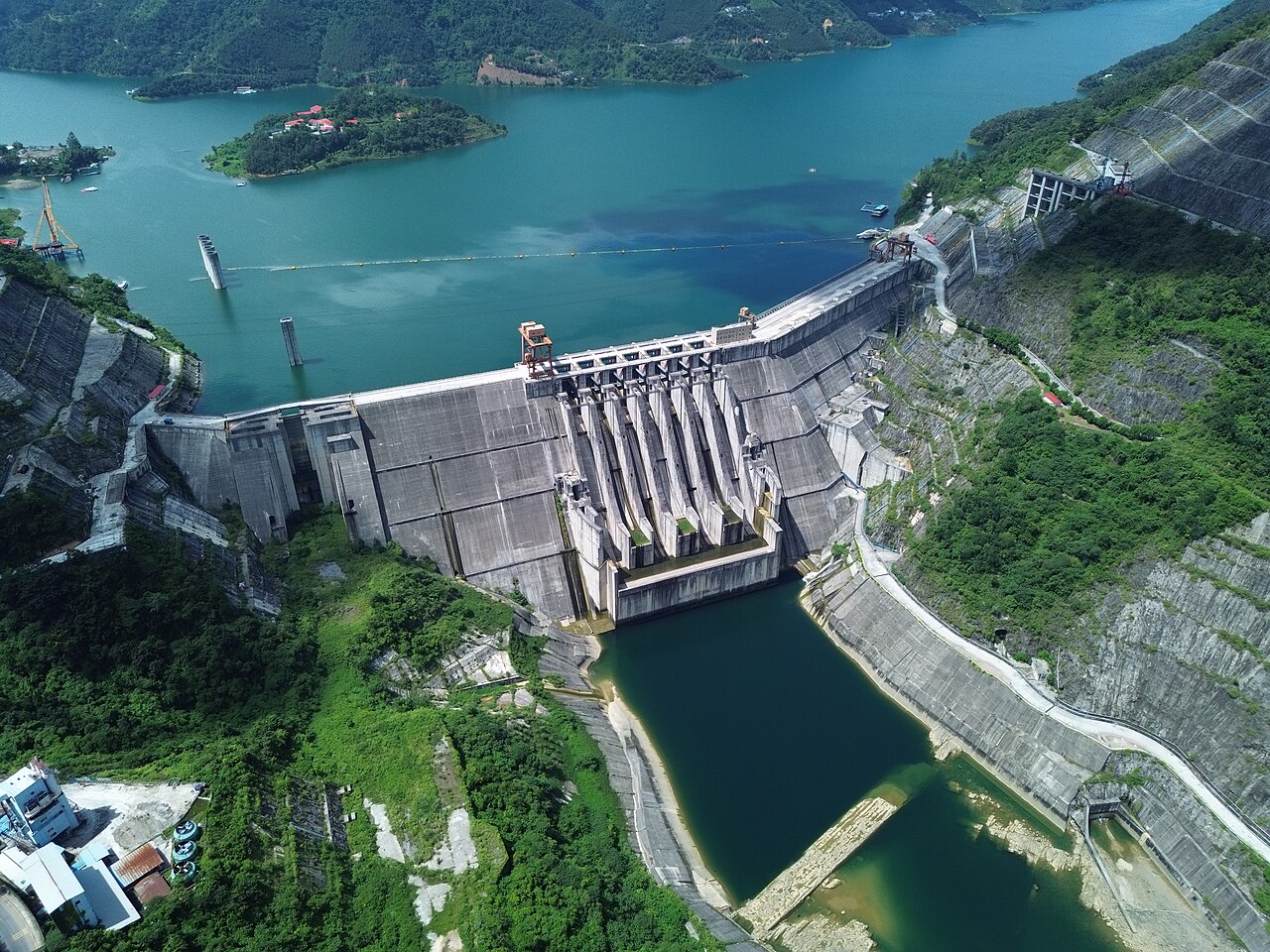
1.The Global Reservoir Sedimentation Crisis
Research has revealed that more than half of the world's reservoirs face the risk of being partially or completely inactivated by 2060 due to sedimentation and sediment accumulation. This alarming study, led by Professor Song Chunqiao of the Nanjing Institute of Geography and Limnology under the Chinese Academy of Sciences, demonstrates that this crisis will directly impact the water supply of more than 2 billion people worldwide. It also identifies that approximately 26% of globally irrigated land area will be severely affected, with profound consequences for global food production.
2.A Decade-By-Decade Decline
Researchers point out that the storage capacity of reservoirs worldwide is already declining at an alarming average rate of 7.3% per decade. For this comprehensive study, data was gathered on more than 550,000 reservoirs worldwide using a combination of satellite remote sensing technology, detailed geographical data, and engineering reports spanning multiple decades. This represents the most comprehensive global assessment of reservoir sedimentation ever conducted, providing an unprecedented view of the scale and pace of this growing crisis.
3.Small Reservoirs at Greatest Risk
The impact of sedimentation is especially severe on smaller reservoirs. Of the reservoirs predicted to become inactive by 2060, 58% are small-sized reservoirs covering less than one square kilometer. These smaller water storage facilities are often the most important for rural and agricultural communities in developing nations, where they serve as the primary or sole source of water for drinking, irrigation, and livestock. Their loss would disproportionately impact the world's most vulnerable populations who have the fewest alternatives for water supply.
4.The Science of Sedimentation
Sediment accumulation — the process where sand, silt, and soil particles carried by inflowing rivers collect behind dams over time — is the primary cause of reservoir capacity decline. This natural process is accelerated by upstream land use changes such as deforestation, agriculture on steep slopes, and construction activities that increase erosion rates. Although reservoirs are essential infrastructure for flood control, irrigation, municipal water supply, and hydroelectric power generation, sediment accumulation progressively limits their water retention capacity over decades until they become functionally useless.
5.Geographic Hotspots of Risk
Reservoirs in arid regions such as the western United States, the Middle East, and western Australia have been identified as major centers particularly at risk from sedimentation combined with increased evaporation from rising temperatures. Additionally, heavily dammed river systems in South Asia, Africa, and South America face significant challenges as their upstream watersheds experience accelerating erosion from land use change and extreme weather events intensified by climate change. Lead author Liu Kai states that already about one in five reservoirs worldwide faces the imminent threat of rapidly losing significant water storage capacity.
6.Cascading Environmental Consequences
The problem extends beyond water storage itself. The reduction in sediment flowing downstream due to trapping behind dams is simultaneously creating a host of serious environmental problems including fundamental changes in river channel characteristics, accelerating coastal erosion as delta systems are starved of sediment, and widespread ecosystem destruction in river floodplains and estuaries. Many of the world's most productive agricultural deltas — including the Nile, Mississippi, and Mekong — are experiencing severe sediment deficits that are causing land subsidence and increasing vulnerability to flooding and sea-level rise.
7.A Ticking Time Bomb for Global Security
Researchers emphasize that without timely and effective action, this represents a ticking time bomb-like massive challenge to global water, food, and energy security. The report points out the urgent need to shift toward more sustainable, nature-based reservoir management methods including periodic sediment flushing, upstream watershed restoration, sediment bypass tunnels, and alternative water storage approaches. The scientists call for immediate international cooperation to develop and implement solutions at the scale required to prevent this predictable crisis from becoming an irreversible catastrophe for billions of people.
Editorial Standards & Fact-Checking Transparency
This report adheres to Daily Science News' rigorous academic guidelines. All claims are verified against primary scientific literature from institutions including NASA, ESA, CERN, and peer-reviewed journals. Supervised by Dulaksha Sandeepa. Questions or corrections? Contact contact@sciencenewshub.click.